Key takeaways
- Cables and augers are good for simple, local clogs.
- Hydro jetting cleans the whole pipe wall with high-pressure water.
- Grease, scale and roots respond best to jetting.
- A camera inspection helps decide which method fits.
How a cable works
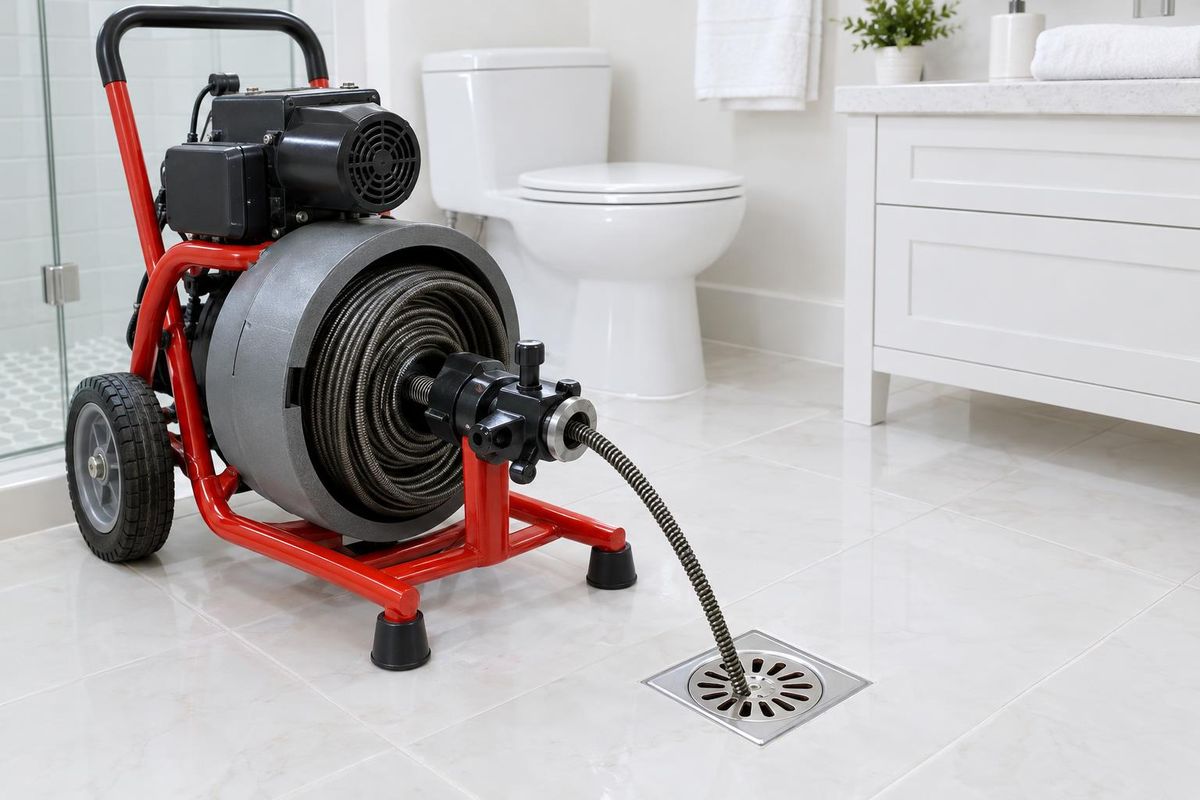
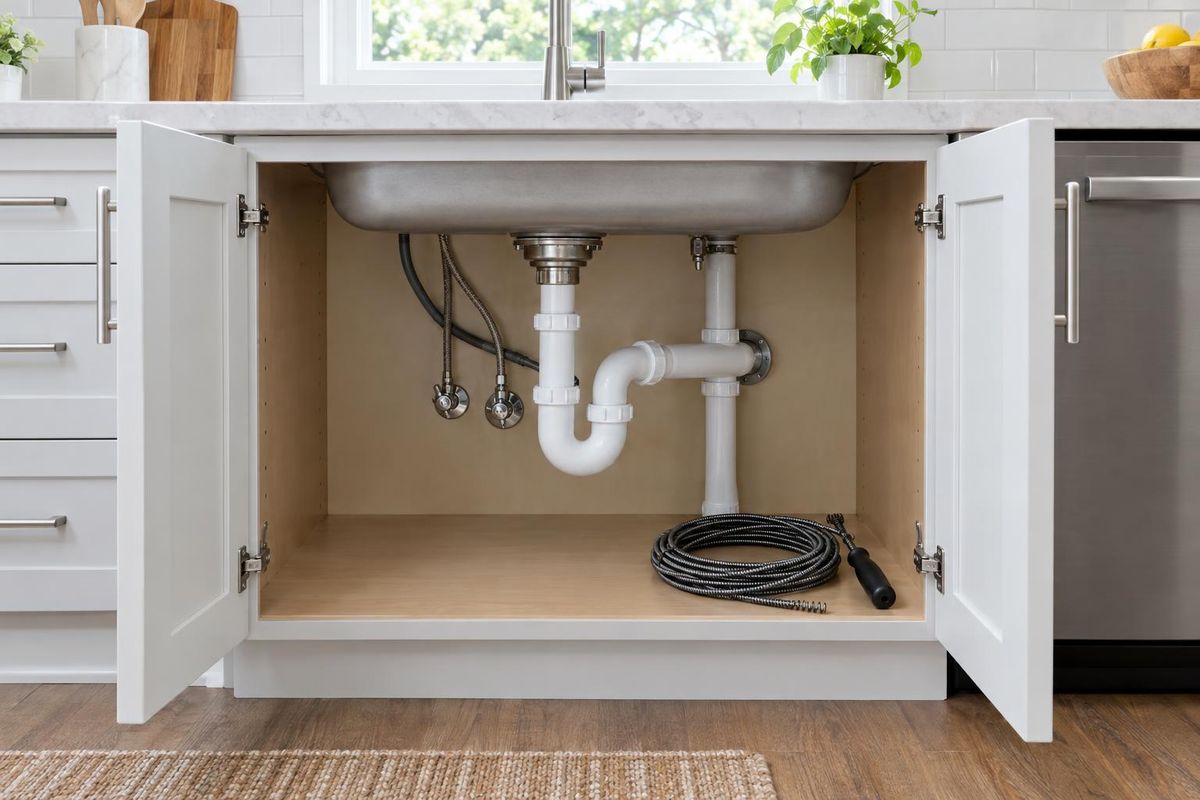
A motorized cable with a cutting or retrieving head breaks through or pulls out a clog. It is quick and effective for hair, paper and soft blockages.
It opens a path but may leave buildup on the pipe wall.
How hydro jetting works
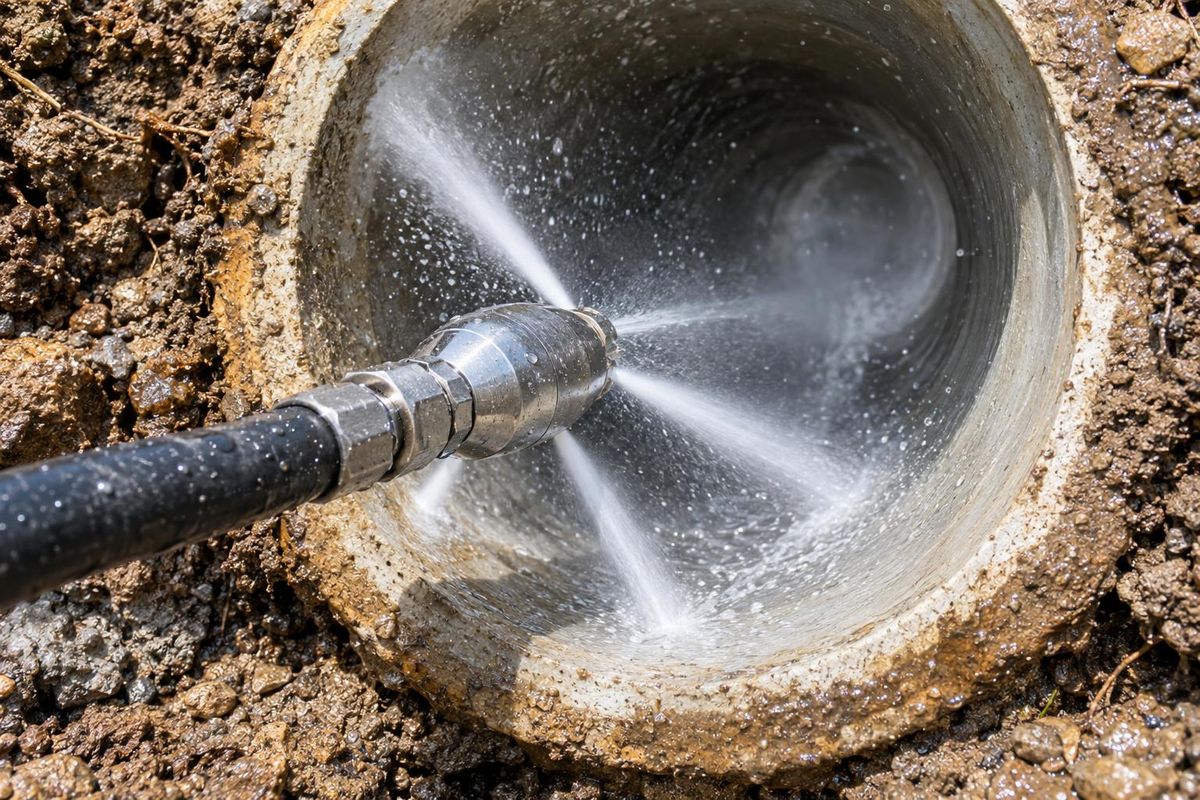
A hose with a nozzle sends high-pressure water in all directions, scouring the pipe and flushing debris away. It cleans the full diameter of the pipe.
Different nozzles handle grease, scale or roots.
When to choose each
Use a cable for a single clogged fixture or a simple blockage. Choose jetting for recurring clogs, heavy grease, mineral scale or main lines with buildup.
Some jobs use both: cable first, jetting to finish.
Pipe condition matters
Jetting is safe for most sound pipes at the right pressure. Damaged or very fragile pipe needs inspection first.
A camera before jetting avoids surprises.
Quick answers
Is hydro jetting better than snaking?
It cleans more thoroughly, but a cable is the right tool for many simple clogs. We pick based on the problem.
Can hydro jetting damage pipes?
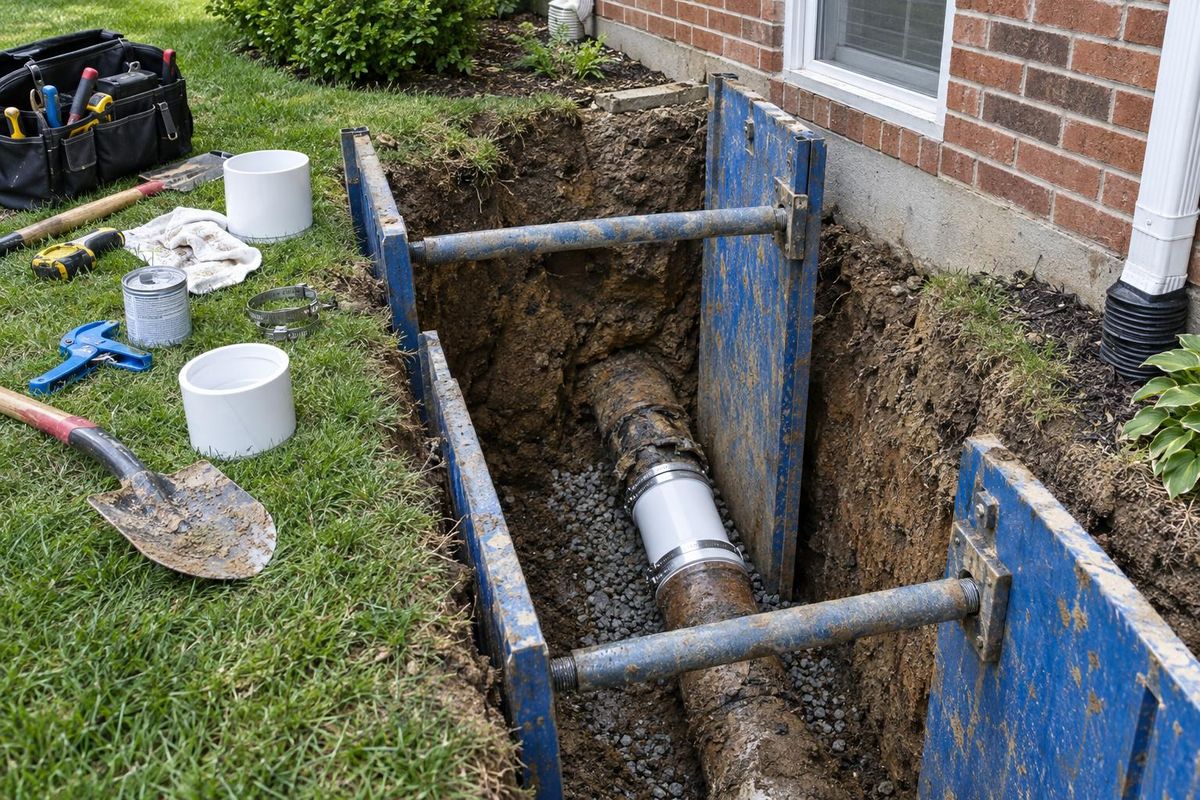
Used at the right pressure on sound pipe it is safe. Damaged pipe needs a repair instead.
How long does jetting last?
A fully cleaned line can stay clear a long time, depending on use and what caused the buildup.