Key takeaways
- Stop using water and keep people and pets away.
- Do not use chemical cleaners.
- Take photos of the damage before cleanup.
- Call for help to clear the line and start cleanup.
Right away
Stop running water, avoid flushing toilets and keep children and pets out of the area. If water is near outlets or appliances, turn off the power at the panel only if it is safe to reach.
Open windows for ventilation if possible.
Stay safe
Sewage carries bacteria. Wear gloves and boots if you must enter, wash well afterwards and avoid contact with skin and food.
Let professionals handle large amounts.
Document
Take photos and notes of what is affected before cleanup. They help with insurance questions.
Keep damaged items until the claim is clear if you can.
Get the line cleared
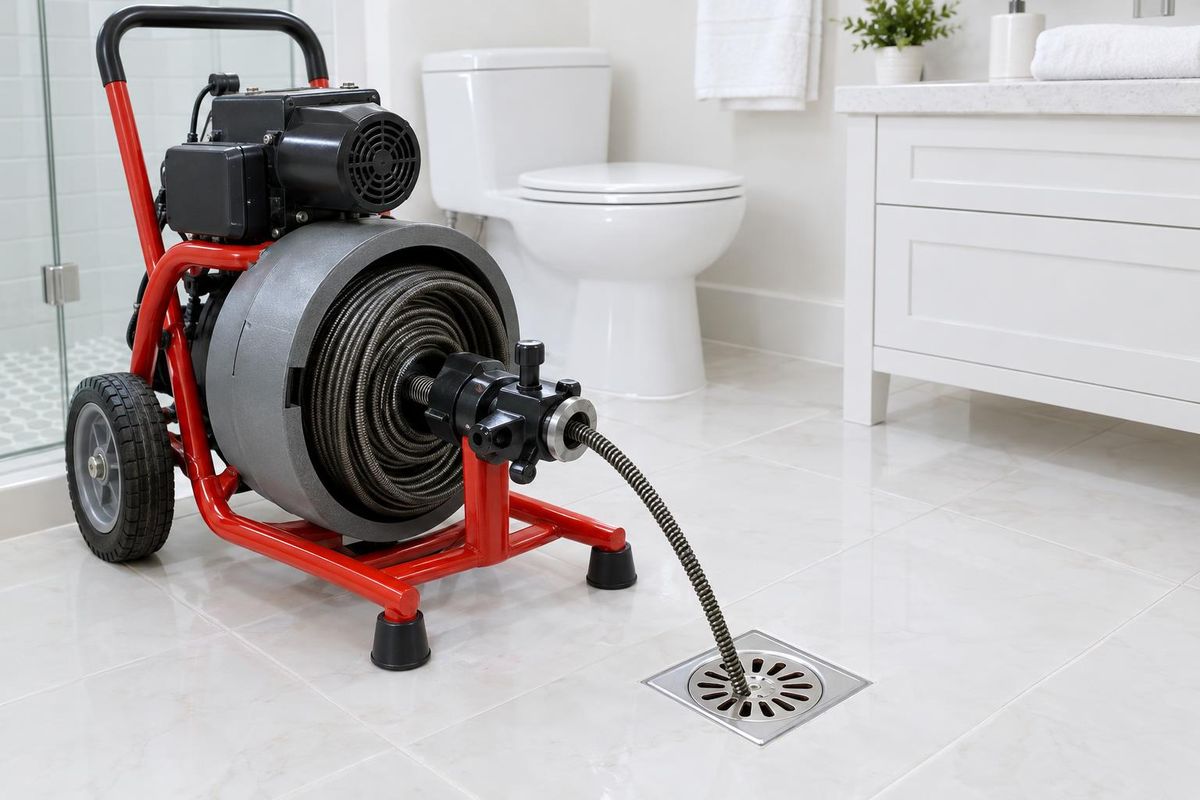
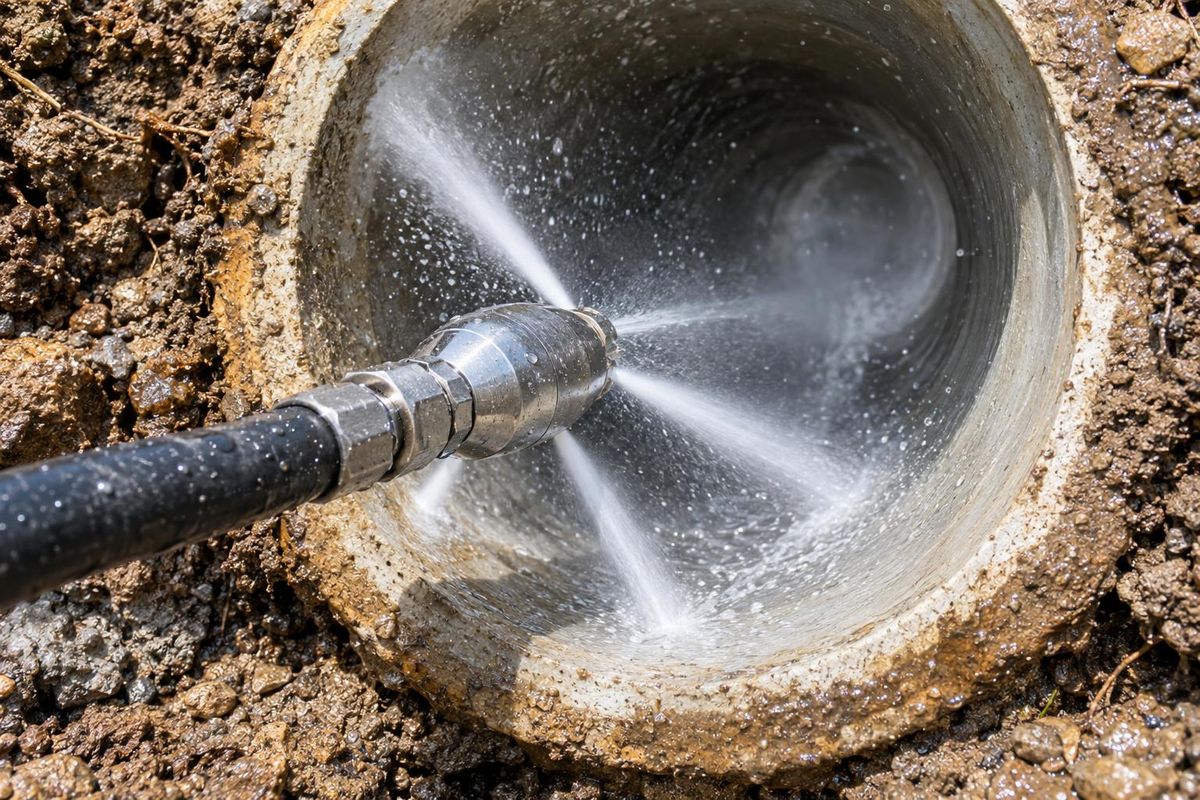
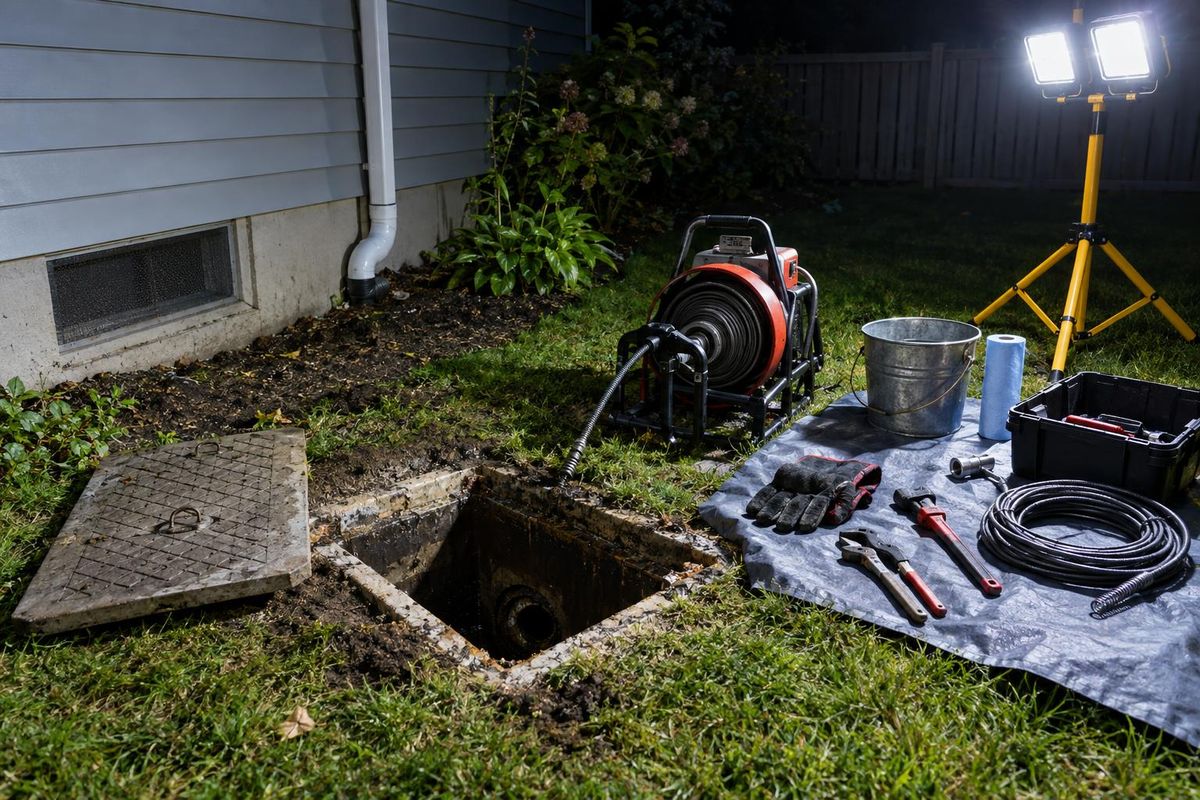
The cause must be fixed before cleanup can last. A technician clears the line, finds the cause and advises on cleanup and prevention.
A backwater valve can protect against a future surcharge.
Quick answers
Who is responsible for a sewer backup?
It depends on where the blockage is. Your own line is your responsibility, and the city handles the public main. We can show where the problem is.
Does homeowner's insurance cover sewer backups?
It varies. Many policies need an extra endorsement. Check with your insurer.
How can I prevent another backup?
Fix the cause, maintain the line and consider a backwater valve.