Key takeaways
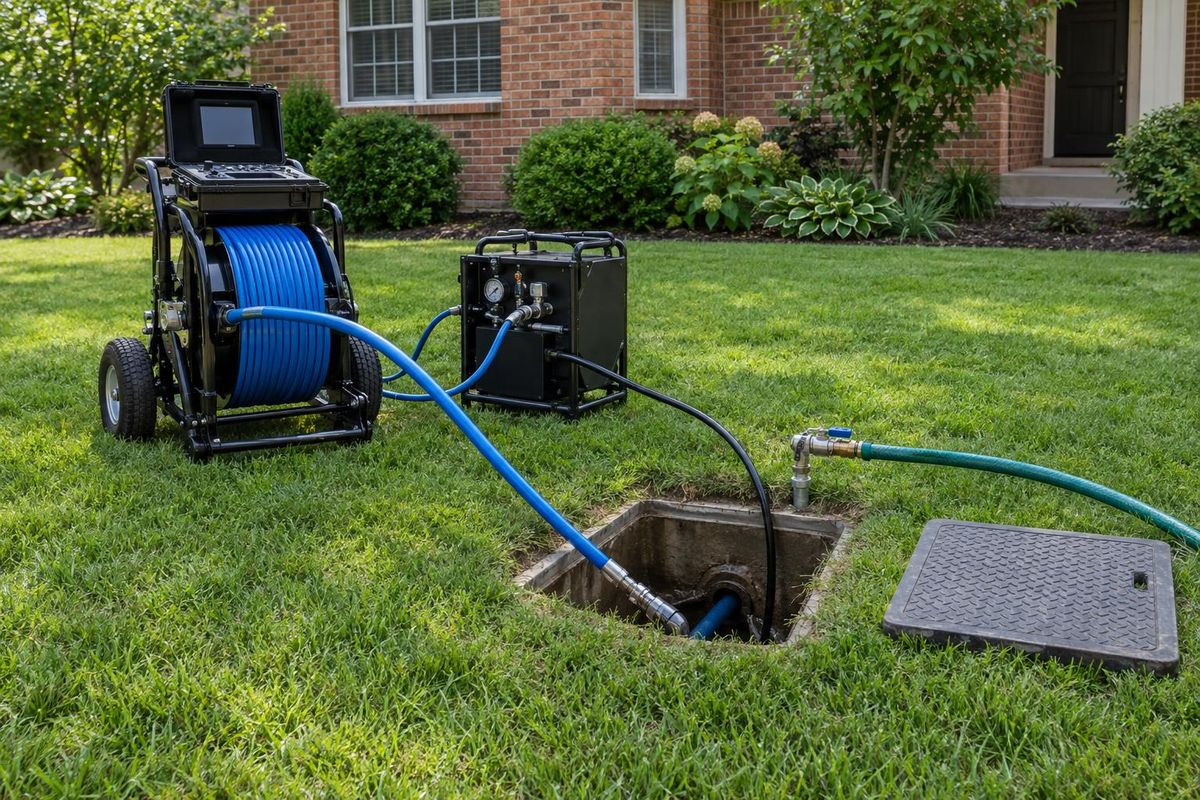
- Trenchless methods work through small pits and protect landscaping.
- Open trench is still best for some collapsed or badly sagging lines.
- Lining suits pipe that is mostly aligned, while bursting replaces it.
- A camera inspection tells you which method fits.
Traditional trench repair
A trench is dug along the pipe, the damaged section is replaced and the trench is backfilled. It is straightforward and can fix any kind of damage, but it disrupts lawns, driveways and plantings.
It remains the right choice for collapsed or badly offset sections.
Pipe lining
A resin-soaked liner is pulled into the existing pipe and cured. It seals cracks and joints and creates a smooth new interior.
The pipe must be mostly aligned and not collapsed.
Pipe bursting
A bursting head pulls new pipe through the old line, breaking it outward. It replaces the full line through two pits.
It suits pipe too damaged to line.
Choosing
Consider the pipe condition, the landscape above it, depth and access. A camera inspection and locating show what is practical.
We explain the trade-offs of each.
Quick answers
Is trenchless repair always possible?
No. Collapsed, badly offset or very shallow pipe may need excavation.
Which lasts longer?
Properly installed lining, bursting or open-trench pipe can all last a long time. Materials and workmanship matter.
Do I still need to dig anything?
Trenchless usually needs one or two small access pits.