Key takeaways
- Roots enter through cracks and joints in search of water.
- Cutting clears the line, but sealing keeps roots out.
- Clay and old cast-iron lines are the most vulnerable.
- A camera shows where the roots enter.
Why roots get in
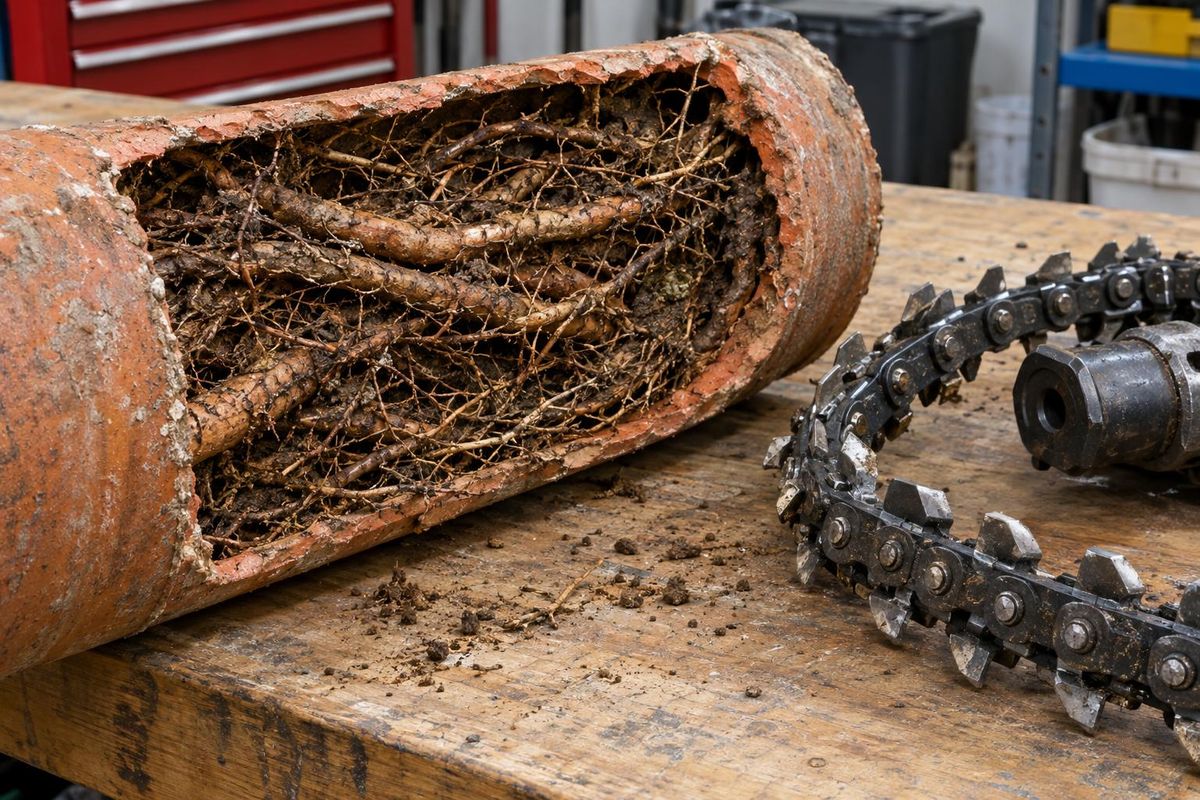
Sewer pipes carry warm, nutrient-rich water. Small leaks at joints attract roots, which grow into the pipe and thicken into a mat.
Even tiny cracks can let roots enter.
Which lines are at risk
Old clay pipe with many joints and cast iron with rough, corroded inner walls are the easiest targets. Modern PVC with tight joints is more resistant.
Large willows, maples and oaks near the line are frequent culprits.
Clearing roots
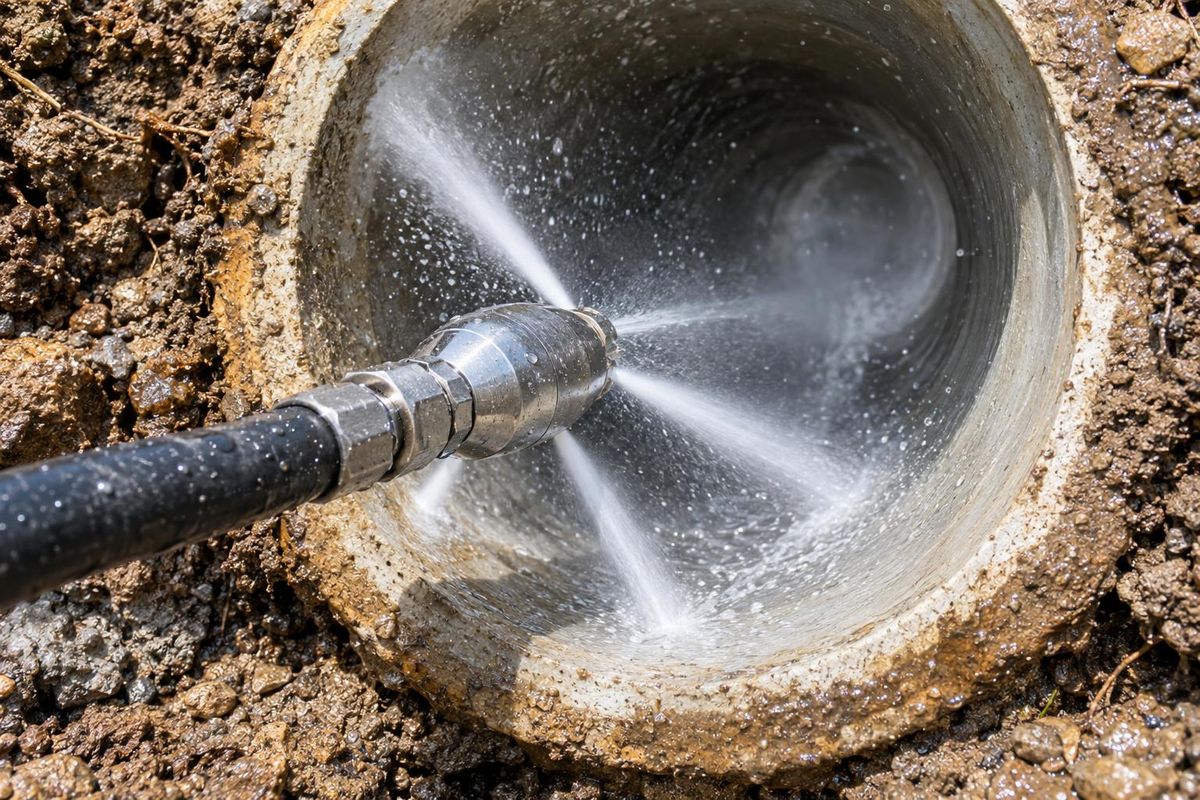
Cutters and root nozzles remove roots from the pipe. The line then needs a camera check to find the entry points.
Without a repair, roots grow back.
Keeping roots out
Lining or repairing the pipe seals the openings. Planting away from the line and watching for slow drains help too.
A cleaning schedule works for lines you plan to keep.
Quick answers
Will cutting the tree solve my problem?
Not always. Roots already in the pipe remain. Sealing the pipe is the lasting fix.
Do root killers work?
Some products slow regrowth but do not repair the pipe.
How often do roots need to be cleared?
It depends on the line and trees. Some need it every year or two until the pipe is sealed.